What is the Tahara for Jewish Burial?
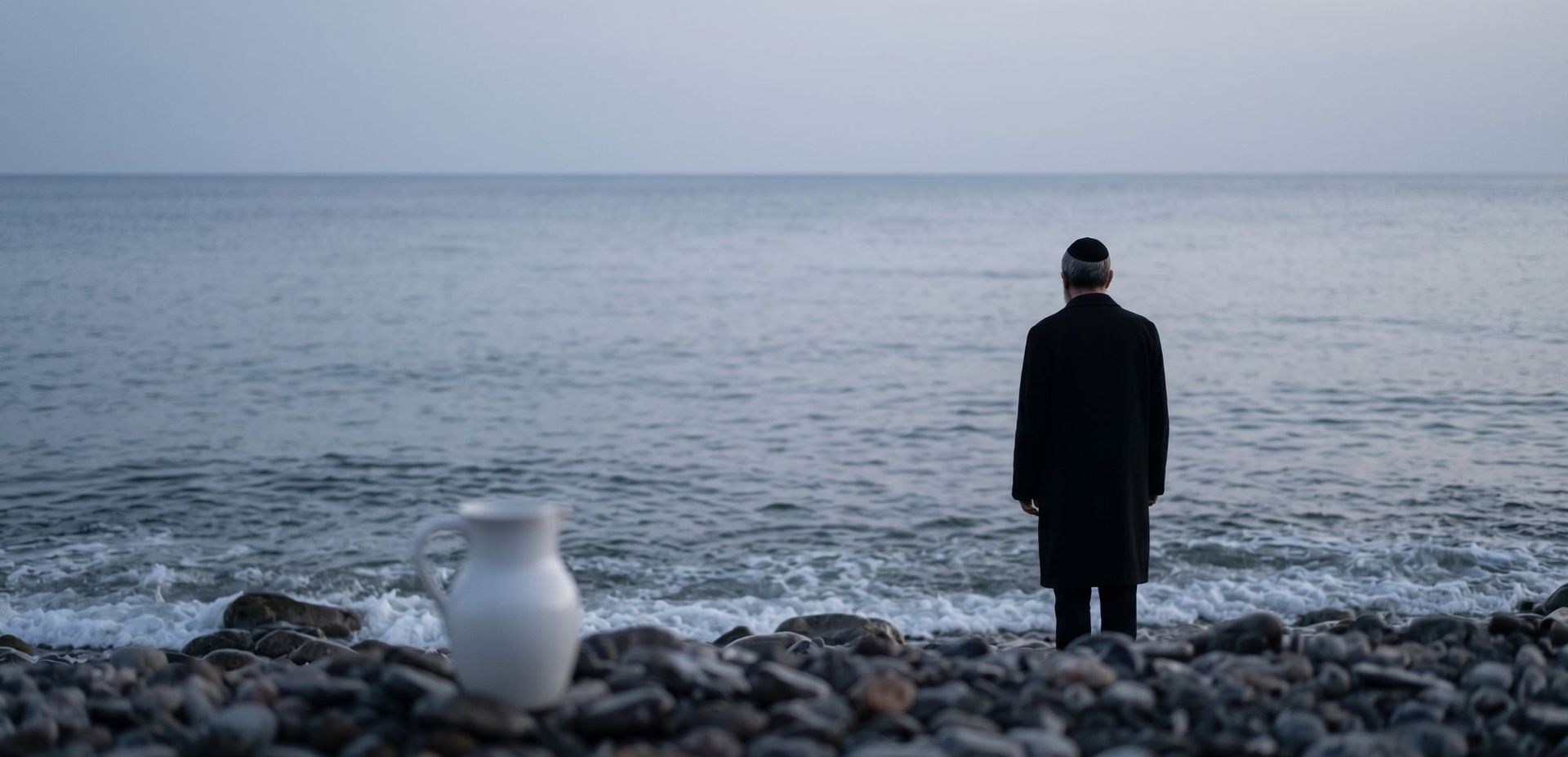
When a family is arranging a Jewish burial, there is often a strong wish to ensure every step is carried out with dignity, care and respect for tradition. One of the most important parts of that process is the Tahara. For families who are unfamiliar with Jewish funeral customs, the term may not be immediately recognisable. Yet within Jewish burial practice, Tahara holds deep significance. It’s not simply a practical preparation of the body; it’s a sacred act of care, performed quietly, reverently and according to established custom.
In simple terms, Tahara is the ritual preparation of the deceased for burial. The word is often translated as “purification”, though that can sound clinical if taken out of context. In Jewish tradition, Tahara is understood as an expression of honour for the person who has died. It usually involves washing and cleansing the body, reciting prayers, and dressing the deceased in simple white burial garments known as tachrichim.
What makes Tahara so meaningful is the spirit in which it is performed. In Jewish burial practice, this is regarded as a true act of kindness because it’s done for someone who cannot repay it. The process is intended to be gentle and modest. There is no display to it. No flourish. No attempt to turn the deceased into something they were not. Instead, the emphasis is on humility, equality and care before burial. That’s a key reason why Jewish burial customs are often described as profoundly dignified.
For many families, one of the first questions is who performs the Tahara. Traditionally, this responsibility sits with the Chevra Kadisha, the Jewish burial society. Their role is not merely functional; they understand the religious and cultural importance of each stage and approach the process with seriousness and restraint. In communities where an established Jewish burial society is available, the Tahara will generally be arranged in consultation with them and with the family’s rabbi where needed.
Families also often want to know what actually happens during the ritual. While practice can vary slightly between communities and traditions, the general structure remains consistent. The deceased is treated with privacy and respect throughout. The body is carefully cleansed, ritual washing is carried out, prayers are recited, and the person is then dressed in traditional white shrouds. In many cases, the body is placed in a simple coffin suitable for Jewish burial. The simplicity is deliberate; it reflects the idea that, in death, all stand equal before God.

Why Tahara Matters in Jewish Burial
Tahara is only one part of a broader Jewish burial framework, but it’s one of the most meaningful. Jewish funeral traditions generally place importance on prompt burial, simplicity, and respect for the deceased from the moment of death through to the funeral and interment. That can affect decisions around timing, transport, mortuary arrangements, coffin selection and service planning. For that reason, when a family needs a Jewish burial, it helps enormously to work with funeral planners who understand not only the ceremony itself, but the sequence and practical implications surrounding it.
It’s also worth noting that Jewish communities are not identical in their practice. Orthodox, Progressive and other communities may differ in how strictly certain customs are observed, who is involved, and what local arrangements are available. Even within the same city, each family may have its own expectations shaped by synagogue affiliation, rabbinic guidance, family history and personal conviction. So while Tahara is a well-established part of Jewish burial tradition, it’s still important not to assume that every family wants exactly the same thing. Sensitive planning matters. Good funeral guidance begins by listening.
For grieving relatives, Tahara can bring real comfort. In the first shock of a loss, there is often anxiety around whether everything will be done properly, respectfully and in keeping with faith. Knowing that the deceased is being prepared for burial according to Jewish custom can ease some of that burden; it reassures families that their loved one is receiving the final care that tradition calls for. That reassurance can be especially important where adult children, extended family or interstate relatives are trying to make arrangements quickly and may not be familiar with the requirements of a Jewish burial.
There are practical questions that come up as well.
- Does Tahara affect the timing of the funeral? Often, yes. Because Jewish burial commonly takes place as soon as possible after death, coordination can be important.
- Are embalming and cosmetic presentation standard? In traditional Jewish burial practice, the emphasis is usually on simplicity rather than presentation.
- Can a funeral director help coordinate with the synagogue, rabbi or burial society? Absolutely, and that is often one of the most valuable parts of experienced funeral planning.
These details may feel small on paper, but at a difficult time, they matter a great deal in practice.
This is where knowledgeable support makes a real difference. Families should not be left to piece together religious requirements on their own while also coping with loss. When a funeral team understands the customs around Jewish burial, they can help with the logistics quietly in the background, coordinate the necessary parties, and avoid preventable stress or confusion. To be clear, this doesn’t mean taking over what belongs to the family or the faith community. It means making sure the practical side is handled properly so the burial can proceed in a way that feels orderly, respectful and true to the person who has died.
Speak with our caring team
For families in Sydney and surrounding areas, arranging a Jewish burial can involve a number of moving parts, from transport and documentation through to liaising with the relevant religious contacts and ensuring the funeral itself reflects the appropriate customs. At Caring Funerals, our team understands that these arrangements require both practical care and cultural understanding. We work closely with families to support respectful funeral planning and to help ensure that important traditions, including those surrounding Tahara, are handled with the dignity they deserve.
Contact Us