
Blog

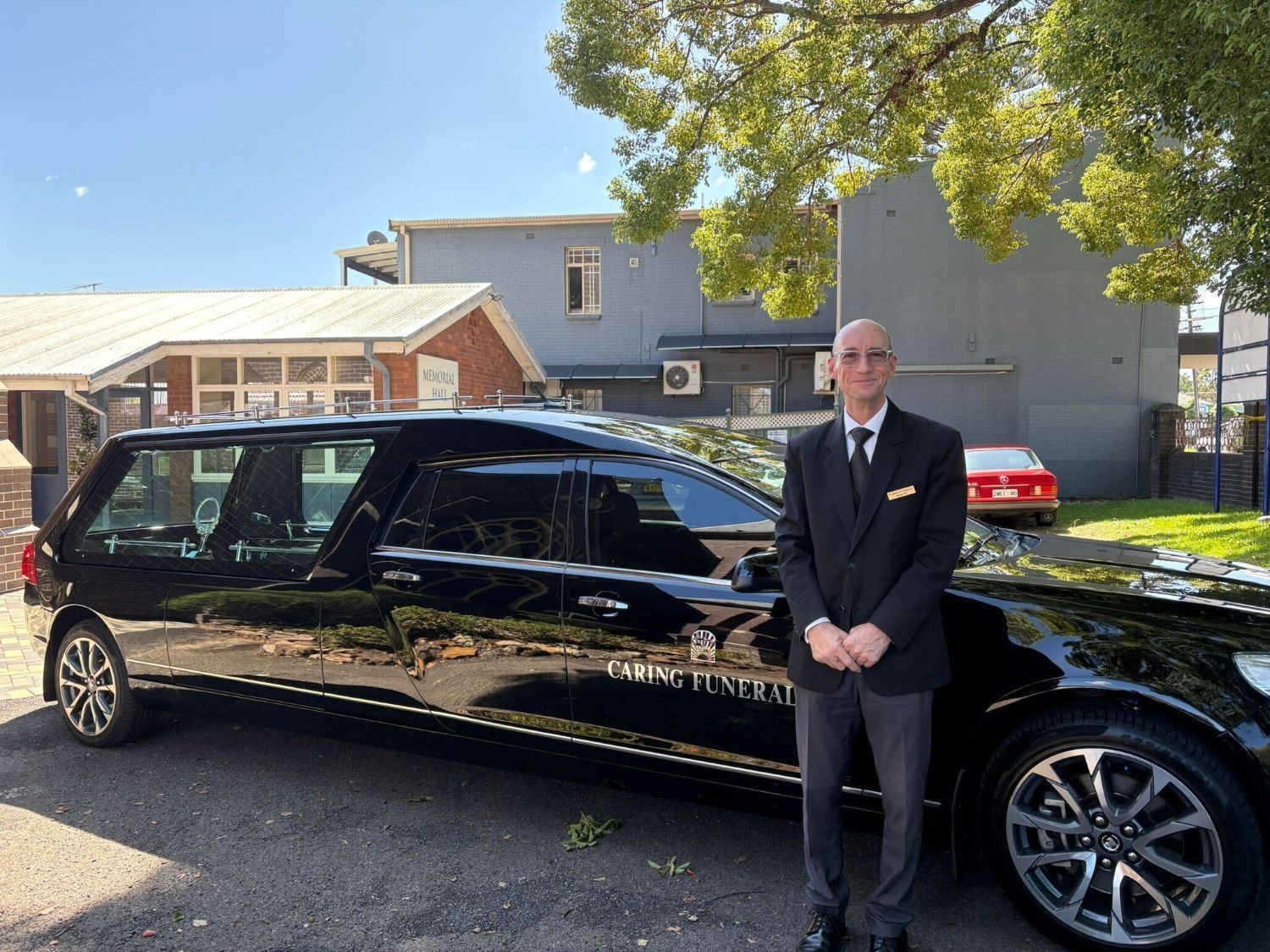
A funeral procession is a longstanding part of many farewell traditions. It brings structure to the movement between locations on the day of the service, while offering a shared moment of reflection for those attending. Coordinated travel of mourners from the funeral service to the burial site or crematorium. The procession is usually led by the hearse, followed by vehicles carrying family and friends. The formation is deliberate, allowing attendees to remain together as they move from one stage of the service to the next. Beyond logistics, the funeral procession carries symbolic weight. It represents a final journey and creates a visible expression of respect. For those involved, it can provide a sense of connection, reinforcing the collective nature of mourning and support. How funeral processions are organised Funeral directors typically manage the arrangement. This includes coordinating timing between venues, planning the route, and advising attendees on how to participate. Considerations such as traffic conditions, distance, and venue access are factored in to ensure the transition is smooth and uninterrupted. Variations across cultures and preferences Funeral processions are not uniform. Cultural and religious traditions may shape how they are conducted, including whether mourners walk, the inclusion of prayers or rituals, or the type of vehicles used. In some cases, families may opt for a simplified or private arrangement without a formal procession. In urban areas, processions are sometimes adapted due to traffic conditions or logistical constraints. Etiquette and expectations Participation in a funeral procession carries an expectation of respectful behaviour. Attendees are generally guided to follow closely, drive carefully, and remain attentive to instructions. The tone is quiet and considered, aligning with the significance of the occasion. If you need guidance arranging a funeral procession or planning a service, our team is here to assist with clear advice and careful coordination at every stage. Speak with us now.