Understanding the Rituals of a Hindu Funeral Service
When a loved one passes away, families are often trying to balance grief, practical decisions and the need to honour important cultural and religious traditions. In Hinduism, funeral rituals hold deep meaning. They’re not simply formalities; they’re a way of showing respect, offering prayers, and helping guide the soul on its journey.
For families who haven’t been closely involved in arranging a Hindu funeral before, the process can feel unfamiliar at first. There may be questions around timing, the role of the priest, what happens at the crematorium, and which customs should be observed. While traditions can vary from one family to another, understanding the broad shape of a Hindu funeral service can make things feel clearer and more manageable.
It’s also important to remember that Hindu traditions aren’t identical across every family or community. Customs may differ depending on language group, region, family background and personal beliefs. Some Indian funeral customs are followed very closely, while others may be adapted to suit the family’s circumstances here in Australia. That’s why it helps to approach each service with care rather than assumption.
What Happens Before a Hindu Funeral Service?
In a lot of cases, arrangements begin quite soon after death. Families may contact relatives, their priest and the funeral director so the necessary planning can begin. Hindu funerals are often held without unnecessary delay, although the exact timing depends on family needs, practical considerations and the availability of the people involved.
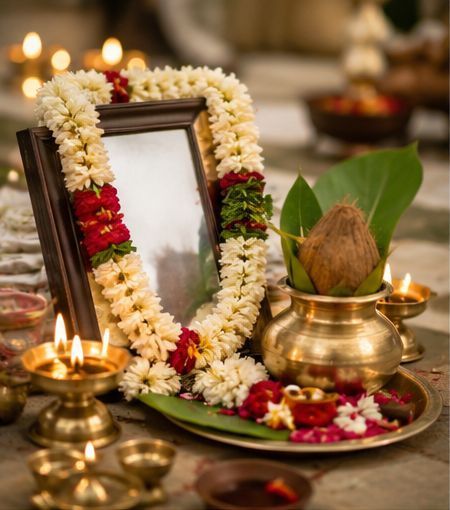
Before the service, the deceased is often bathed and dressed, usually in simple clothing. Flowers, prayers and other meaningful items may also be prepared. For some families, this part of the process is deeply personal; it can be one last act of care and respect before the formal farewell takes place.
Some families may also wish to spend quiet time with their loved one before the service begins. Others may want certain prayers recited or particular customs observed before leaving for the funeral. These moments can be small in practical terms, but they often carry great emotional importance.
The Funeral Ceremony Itself
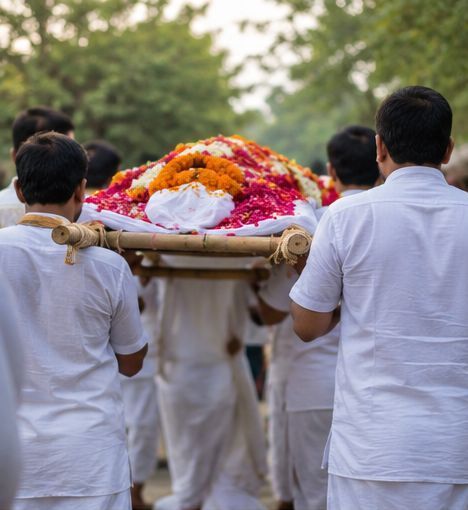
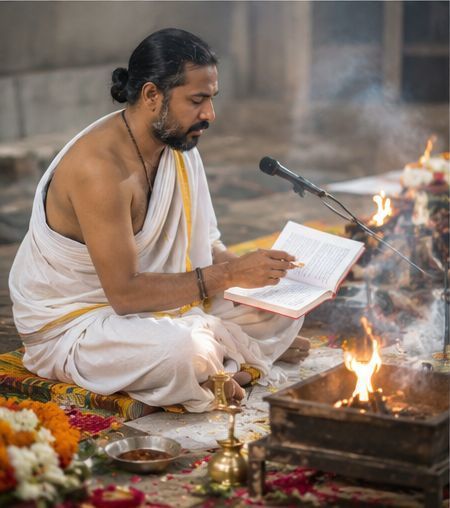
A Hindu funeral service is usually centred on prayer, blessings and final acts of farewell. A priest may lead the service, recite mantras and guide the family through the rituals. Family members may place flowers, offer prayers, or take part in customs that reflect their own tradition and family background.
In many Indian funeral customs, a close male relative (often the eldest son) has an important ceremonial role. That said, practices can differ between families, and what matters most is that the service feels respectful and appropriate for the person being honoured.
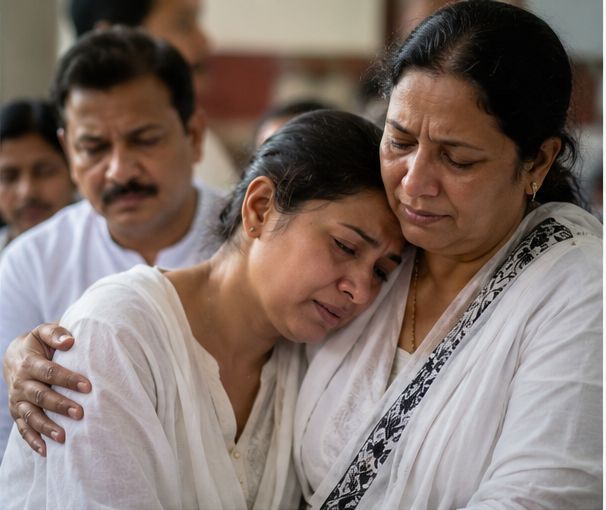
The atmosphere of a Hindu funeral is often solemn, prayerful and dignified. White is commonly worn by mourners, and the service tends to focus on simplicity, reverence and spiritual meaning rather than elaborate display.
Cremation, and Why It Matters in Hindu Tradition
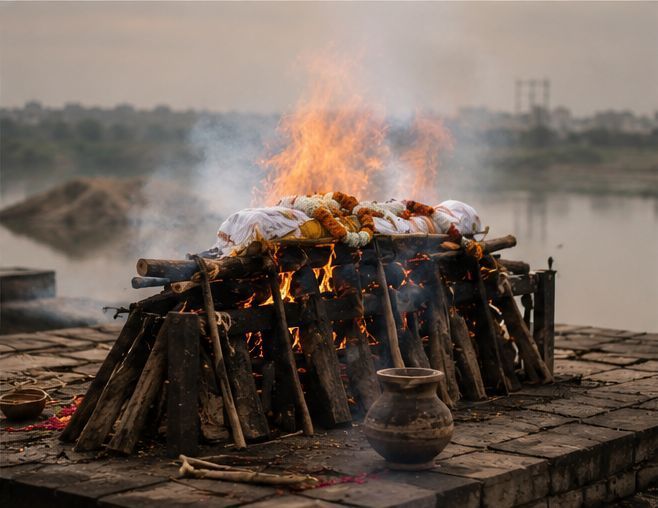
Cremation is a central part of many Hindu funeral traditions. For this reason, families often have questions about how the cremation fits into the service and what arrangements need to be made beforehand.
When arranging a Hindu cremation in NSW, families may want to include certain prayers or rituals before the cremation takes place. Some may prefer a simple private farewell. Others may want family members and friends present for this part of the service. These details are worth discussing early so that the arrangements can be handled properly and with care.
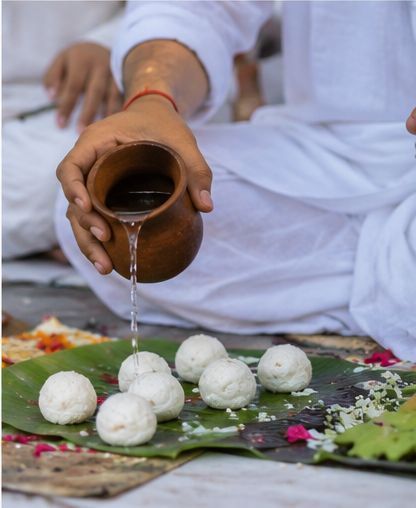
After the cremation, the ashes are usually collected and kept until the family is ready for the next step. In Hindu tradition, this is often followed by immersion of the ashes in water. For some families, that may take place in India; for others, it may be arranged in a lawful and meaningful way closer to home. Every family’s situation is different, and these decisions are often shaped by faith, family connections and practical circumstances.
Mourning Rituals After the Funeral
The funeral itself is often only one part of the wider process. In many Hindu traditions, mourning continues after the cremation with prayers, gatherings or memorial observances held over several days. These rituals are a way of honouring the deceased and supporting the family during the early stages of grief. The exact customs can vary… some families follow a more traditional path, while others keep things simpler. What stays constant is the importance of respect, prayer and family connection throughout the mourning period.
This is one reason why it helps to have experienced support when arranging Hindu funeral services in Sydney. There’s often more involved than booking a venue or organising transport. Families may need help coordinating with a priest, arranging timing around religious customs, planning the service, and making sure everything comes together in a way that feels calm and respectful.
Need support with Hindu funeral planning?
At Caring Funerals, we understand that planning a Hindu farewell calls for sensitivity, cultural understanding and attention to detail. We take the time to listen to your family’s wishes, explain the options clearly, and help arrange a service that respects the customs and traditions that matter most to you.
Whether you need guidance around Indian funeral customs, support with Hindu funeral services in Sydney, or you’d like help arranging a Hindu cremation in NSW, our team is here to assist with care and compassion. We’re committed to helping families create a farewell that feels respectful, meaningful and true to the life being remembered.